
In South Florida, a reliable HVAC system is essential to keeping commercial buildings comfortable, productive, and safe throughout the summer. High temperatures, heavy humidity, frequent storms, and extended system use can place significant strain on commercial heating and cooling equipment. When HVAC problems occur, they can disrupt business operations, frustrate tenants, increase energy costs, and lead to expensive emergency repairs. Understanding the most common summer HVAC issues can help commercial property owners and managers address problems early and keep their buildings operating efficiently. 1. Clogged or Dirty Air Filters Commercial HVAC systems move a large volume of air throughout the day, causing filters to collect dust, dirt, pollen, and other airborne particles. When filters become clogged, airflow is restricted, forcing the system to work harder to cool the building. Dirty filters can contribute to: Filters should be inspected and replaced regularly based on the building’s usage, occupancy, and environmental conditions. 2. Refrigerant Leaks Refrigerant allows an HVAC system to remove heat from indoor air. When refrigerant levels are low, the system may struggle to cool the building effectively. Common signs of a refrigerant leak include: Refrigerant should only be inspected and handled by a qualified HVAC technician. Adding refrigerant without locating and repairing the leak may only provide a temporary solution. 3. Frozen Evaporator Coils Although it may seem unusual during the summer, commercial HVAC coils can freeze when airflow is restricted or refrigerant levels are too low. A frozen coil prevents the system from absorbing heat properly and can eventually cause the unit to stop cooling altogether. Common causes include dirty filters, blocked vents, malfunctioning fans, dirty coils, and refrigerant problems. If ice is visible on the system, the unit should be turned off and inspected by a professional. 4. Clogged Condensate Drain Lines Commercial air-conditioning systems remove a significant amount of moisture from the air, especially during South Florida’s humid summer months. That moisture drains through a condensate line. Over time, algae, mold, dirt, and debris can clog the line, causing water to back up into the system or surrounding areas. This may result in: Routine drain-line cleaning can help prevent water damage and unnecessary interruptions. 5. Thermostat and Sensor Problems A malfunctioning thermostat or temperature sensor can cause an HVAC system to run too frequently, shut off too soon, or fail to maintain consistent temperatures. In larger commercial buildings, incorrectly calibrated sensors or poorly located thermostats may cause some areas to feel too warm while others become excessively cold. Smart controls and building automation systems should also be checked regularly to ensure they are communicating properly with HVAC equipment. 6. Dirty Condenser Coils Outdoor condenser units release heat from the building. When condenser coils become coated with dirt, grass, leaves, or other debris, the system cannot release heat efficiently. Dirty coils may cause the HVAC system to run longer, consume more electricity, and experience excessive pressure. Keeping the area around outdoor equipment clear and scheduling regular coil cleaning can improve performance and extend the life of the system. 7. Electrical and Capacitor Failures Summer heat can place additional stress on electrical components such as capacitors, relays, wiring, contactors, and motors. Power surges caused by thunderstorms may also damage sensitive equipment. Signs of electrical trouble may include: Electrical problems should be evaluated promptly because they can lead to system failure and may create safety concerns. 8. Uneven Cooling Throughout the Building Uneven cooling is a common concern in commercial properties. One office may feel comfortable while another remains warm, even when the HVAC system is running continuously. Possible causes include: A professional assessment can determine whether the issue is caused by the equipment, ductwork, controls, or building design. 9. Excessive Humidity An HVAC system must control both temperature and humidity. When a system is not operating properly, indoor spaces may feel damp or uncomfortable even when the thermostat shows an acceptable temperature. High humidity can contribute to mold growth, unpleasant odors, condensation, damaged materials, and poor indoor air quality. It may also indicate that the HVAC system is oversized, short-cycling, poorly maintained, or unable to remove moisture effectively. 10. Higher-Than-Normal Energy Bills A sudden increase in utility costs may be one of the first signs that an HVAC system is not operating efficiently. Dirty filters, leaking ducts, worn components, poor insulation, refrigerant issues, or aging equipment can all cause the system to use more energy. Property owners and managers should compare current energy usage with previous months and investigate unexplained increases. Addressing minor efficiency problems early may prevent larger repairs later. How Preventive HVAC Maintenance Helps Preventive maintenance is one of the most effective ways to reduce summer HVAC problems. A seasonal maintenance program may include: Regular service can help identify worn or failing components before they cause a complete system shutdown. Create a Plan for HVAC Emergencies Even well-maintained equipment may experience unexpected problems. Commercial property owners and managers should have a clear response plan that includes emergency contractor contact information, tenant communication procedures, access to mechanical areas, and temporary cooling options when appropriate. Responding quickly can reduce downtime, protect inventory and equipment, and limit discomfort for employees, customers, and tenants. Protecting Your Commercial Property This Summer Commercial HVAC systems work especially hard during the South Florida summer. Paying attention to warning signs, completing routine maintenance, and responding quickly to performance issues can help prevent costly repairs and operational disruptions. At Glades Properties, we understand that proactive property maintenance is essential to protecting commercial real estate investments and creating a positive environment for tenants. Careful planning and regular inspections can help keep buildings comfortable, efficient, and prepared for the demands of the summer season.
Warehouse, Flex, or Office Space: Which Is Right for Your Business?
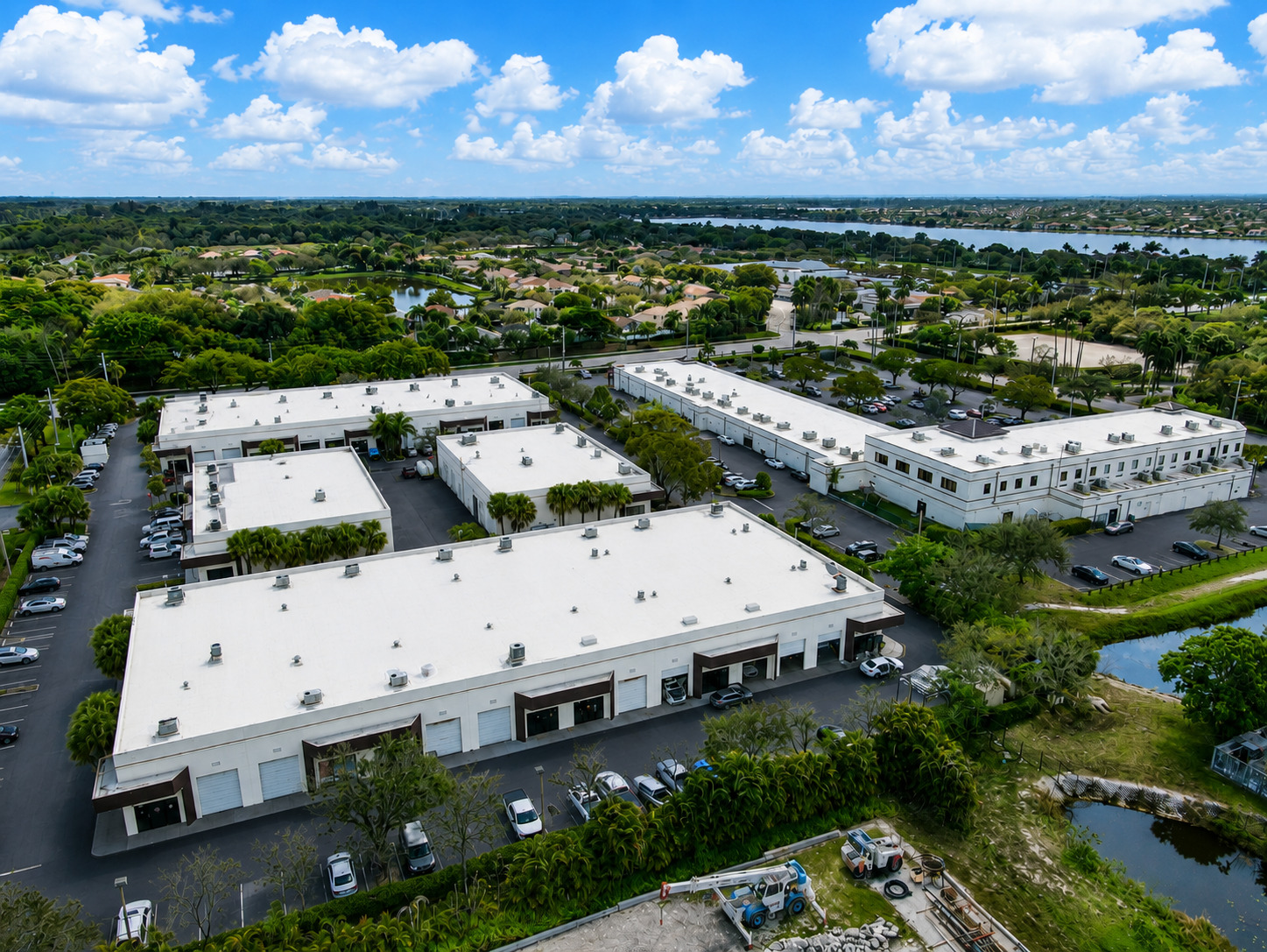
Choosing the right commercial property can directly affect your business operations, employee productivity, customer experience, storage capacity, and long-term growth. For many companies, the decision comes down to three common property types: warehouse space, flex space, or traditional office space. Each option serves a different purpose, and the best choice depends on how your business uses its space every day. What Is the Difference Between Warehouse, Flex, and Office Space? The main difference is how each property is designed to function. In simple terms, warehouse space prioritizes operations, office space prioritizes professional work environments, and flex space provides a combination of both. What Is Warehouse Space? Warehouse space is commercial property designed primarily for storage, distribution, production, and industrial operations. It usually includes large open areas, high ceilings, loading access, and durable surfaces that can support inventory, equipment, and frequent deliveries. What Types of Businesses Need Warehouse Space? Warehouse space may be a good fit for: Common Warehouse Features Commercial warehouse space often includes: Advantages of Warehouse Space The main advantage of warehouse space is functionality. It allows businesses to store products, manage inventory, operate equipment, and receive shipments efficiently. Warehouse space may also offer a lower cost per square foot than traditional office space, particularly when most of the property is unfinished operational space. Disadvantages of Warehouse Space A traditional warehouse may not provide the professional appearance or comfortable environment needed for client meetings, administrative staff, or customer-facing services. Businesses may also need to invest in office build-out, air conditioning, lighting, security systems, or additional restrooms. What Is Flex Space? Flex space is a commercial property that combines office, showroom, warehouse, storage, or light industrial functions within one unit. A typical flex space may include a professional entrance, reception area, private offices, and a warehouse or service area in the rear. What Types of Businesses Need Flex Space? Flex space is often a good choice for: Common Flex Space Features Flex commercial properties may include: Advantages of Flex Space The biggest advantage of flex space is versatility. It allows a business to operate multiple functions from one property. For example, a company can manage sales, customer service, inventory, fulfillment, and equipment storage under one roof. This can improve communication between departments and reduce the cost of leasing multiple locations. Disadvantages of Flex Space Flex space may not provide as much warehouse capacity as a traditional industrial building or as many amenities as a professional office building. The balance of office and warehouse space must also match the business’s actual needs. Too much office build-out can reduce operational space, while too little may make the property uncomfortable for employees or customers. What Is Traditional Office Space? Traditional office space is commercial property designed primarily for administrative, professional, and client-facing work. It often includes private offices, conference rooms, reception areas, workstations, breakrooms, and shared building amenities. What Types of Businesses Need Office Space? Office space may be best for: Common Office Space Features Traditional office properties may include: Advantages of Office Space Office space provides a comfortable and professional environment for employees, clients, and visitors. It is usually the best option for businesses that depend on meetings, collaboration, private work areas, and a polished professional image. Disadvantages of Office Space Traditional office properties generally provide limited storage, loading access, and space for equipment or inventory. They may also have restrictions on commercial vehicles, deliveries, manufacturing, repair work, and other operational uses. Warehouse vs. Flex Space vs. Office Space Property Type Best For Main Features Potential Limitation Warehouse Storage, distribution, manufacturing, equipment High ceilings, loading doors, open space Limited professional office space Flex Space Businesses needing office and operational areas Office, warehouse, showroom, roll-up doors May offer less of each space type Office Space Professional and administrative businesses Offices, conference rooms, reception areas Limited storage and loading access How Do You Choose the Right Commercial Space? To choose the right commercial space, evaluate how your business operates today, what equipment or inventory you need, how customers interact with your company, and how much room you may need in the future. The following questions can help narrow your options. 1. How Much Storage Space Does Your Business Need? Businesses that store inventory, tools, vehicles, raw materials, or equipment will usually need warehouse or flex space. Consider both your current needs and expected growth. A property that is already close to capacity may quickly become inefficient. You should also evaluate: 2. Will Customers Visit the Property? Businesses that regularly meet with clients, customers, or vendors should consider the property’s appearance and accessibility. Office and flex spaces typically provide a more professional entrance, reception area, and meeting environment than traditional warehouse space. Ask whether the property offers: 3. Does Your Business Need Loading Access? Companies that receive or ship products should carefully evaluate loading areas. Important features may include: A property can have enough square footage but still be unsuitable if delivery vehicles cannot safely enter, unload, and exit. 4. How Much Office Space Does Your Team Need? A warehouse with a small office may be enough for a business with one or two administrative employees. A larger team may need private offices, workstations, conference rooms, restrooms, and break areas. Flex space is often a strong option when a business needs both office and operational space. Before leasing, calculate how much space is needed for: 5. What Are Your Electrical and Utility Requirements? Some businesses require more power, water, ventilation, or specialized utility connections than a typical property provides. Manufacturing, repair, refrigeration, technology, medical, and equipment-intensive businesses should verify: These requirements should be confirmed before signing a lease because upgrades can be costly and may require permits or landlord approval. 6. Is the Property Properly Zoned? Zoning determines which business activities are permitted at a property. A building may appear perfect but still prohibit certain uses, including: Always confirm that your intended use is permitted before signing a commercial lease. 7. How Important Is the Location? Location can influence customer access, employee commutes, delivery

Hurricane Preparedness for Your Business: Protecting Your Property, Employees, and Operations
For businesses across South Florida, hurricane season is not a matter of if a storm will impact the region—it’s a matter of when. From powerful winds and flooding to extended power outages and supply chain disruptions, hurricanes can create significant challenges for businesses of every size. The good news is that preparation can make all the difference. Taking proactive steps before a storm develops can help protect your property, reduce downtime, and ensure your business is ready to recover quickly. Start with a Business Continuity Plan Every business should have a comprehensive hurricane preparedness and business continuity plan in place before storm season begins. Your plan should address: A well-developed plan helps employees understand their responsibilities and reduces confusion when severe weather approaches. Review Your Insurance Coverage Many business owners discover gaps in their insurance coverage only after a storm causes damage. Before hurricane season, review your policies with your insurance provider and confirm coverage for: Understanding your coverage in advance can help avoid costly surprises during recovery. Protect Your Physical Property Preventative maintenance and storm preparation can significantly reduce damage to commercial properties. Property owners and tenants should: Addressing vulnerabilities before a storm arrives is often far less expensive than repairing damage afterward. Back Up Critical Business Data In today’s digital environment, protecting information is just as important as protecting physical assets. Businesses should ensure: A strong data recovery plan helps businesses maintain operations and recover quickly following a storm-related disruption. Communicate with Employees Early Clear communication is essential before, during, and after a hurricane. Employees should know: Providing timely updates helps employees make informed decisions for their families while maintaining confidence in the organization’s preparedness efforts. Prepare for Extended Power Outages Power outages can last days—or even weeks—after a major hurricane. Businesses should evaluate: Planning for power interruptions can help minimize operational disruptions and financial losses. Work with Your Property Management Team Property managers play a critical role in hurricane preparedness and recovery. Professional property management teams can help: Having experienced professionals overseeing your property can significantly improve response times and recovery outcomes. After the Storm Passes Once local authorities determine it is safe to return, businesses should conduct a thorough assessment of their property and operations. Key post-storm actions include: The faster damage is documented and addressed, the sooner recovery efforts can begin. Preparation Today Leads to Resilience Tomorrow Hurricanes are an unavoidable part of doing business in South Florida, but their impact can often be minimized through careful planning and preparation. By developing a business continuity plan, protecting your property, securing critical data, and maintaining strong communication, your business can be better positioned to weather the storm and recover quickly when conditions improve. At Glades Asset & Property Management, we work year-round to help property owners and tenants prepare for hurricane season, protect their investments, and maintain business continuity throughout South Florida’s storm season.
Why Broward County Continues to Attract Businesses and Investors
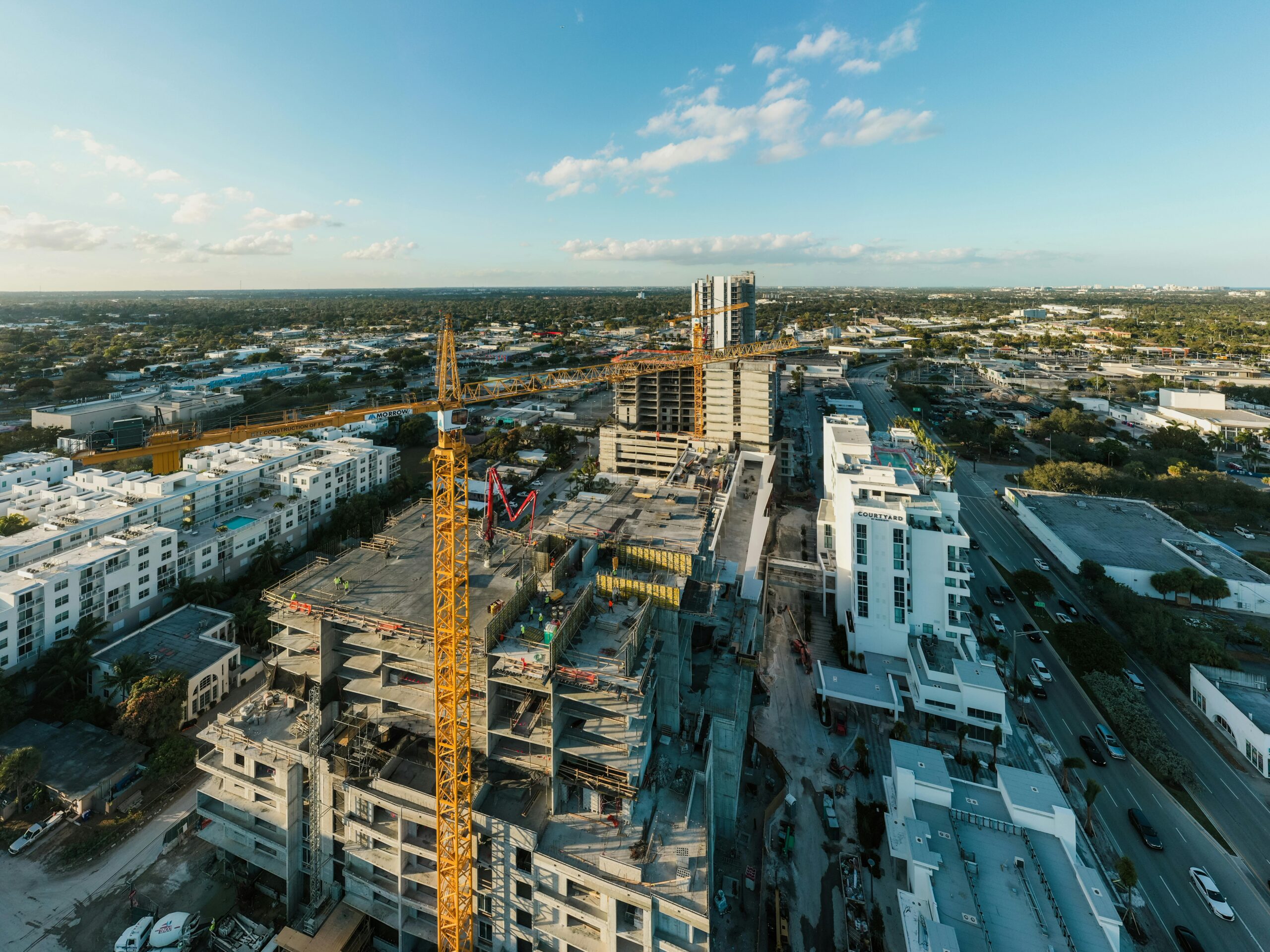
South Florida has long been recognized as one of the nation’s most dynamic regions for business growth, and Broward County sits at the center of that momentum. With a strategic location, expanding population, strong infrastructure, and diverse economy, Broward continues to attract businesses, developers, and investors looking for long-term opportunity. As companies evaluate where to expand and investors seek markets with sustained growth potential, Broward County consistently rises to the top of the list. Strategic Location in the Heart of South Florida One of Broward County’s greatest advantages is its location. Positioned between Miami-Dade and Palm Beach counties, Broward offers businesses access to more than six million residents across the South Florida metropolitan area. The county is also home to Fort Lauderdale-Hollywood International Airport, Port Everglades, and major transportation corridors including Interstate 95, Interstate 75, Florida’s Turnpike, and the Sawgrass Expressway. This connectivity allows businesses to efficiently move goods, access customers, and attract talent from across the region. For logistics, distribution, retail, and service-oriented businesses, few markets offer the accessibility found in Broward County. Population Growth Fuels Demand South Florida continues to experience population growth as individuals, families, and companies relocate from other parts of the country. Many are drawn by Florida’s favorable tax environment, business-friendly climate, and year-round quality of life. As more residents move into Broward County, demand increases for housing, retail services, healthcare, education, entertainment, and commercial space. This creates opportunities for property owners, investors, and businesses serving growing communities. Cities such as Pembroke Pines, Miramar, Davie, Weston, and Fort Lauderdale have experienced sustained growth, supporting strong demand across multiple commercial real estate sectors. A Diverse and Resilient Economy Unlike markets heavily dependent on a single industry, Broward County benefits from a diverse economic base. Key sectors include: This diversity helps create economic stability and reduces exposure to downturns within any one industry. For investors, a broad economic foundation often translates into more consistent occupancy and demand across commercial properties. Strong Commercial Real Estate Fundamentals Commercial real estate in Broward County continues to benefit from limited land availability and steady business demand. Industrial properties, outdoor storage sites, retail centers, and strategically located office spaces remain highly sought after. As developable land becomes increasingly scarce, existing commercial properties often become more valuable due to their location and accessibility. Investors recognize that well-positioned assets in growing markets can provide long-term income and appreciation potential. Property owners who focus on maintenance, tenant relationships, and strategic asset management are often well-positioned to capitalize on these favorable market conditions. Infrastructure Investments Support Future Growth Broward County continues to invest in transportation, utilities, public services, and community development initiatives that support future economic expansion. Projects that improve roadways, enhance transit options, and strengthen public infrastructure contribute to a business environment that encourages investment and development. These improvements help companies operate more efficiently while making communities more attractive to residents and employers alike. Long-term infrastructure planning remains one of the factors that gives investors confidence in Broward County’s future. Quality of Life Attracts Talent Today’s businesses are increasingly influenced by workforce considerations when choosing locations. Broward County offers employees access to excellent schools, diverse housing options, recreational amenities, beaches, parks, and year-round outdoor activities. The region’s quality of life helps companies attract and retain talent while supporting continued population growth. For businesses evaluating expansion opportunities, access to a skilled and growing workforce remains a major advantage. Looking Ahead Broward County’s combination of strategic location, economic diversity, population growth, infrastructure investment, and business-friendly environment continues to make it one of Florida’s most attractive markets for commercial real estate investment and business expansion. While markets naturally experience cycles, the long-term fundamentals supporting Broward County remain strong. For property owners, investors, and businesses seeking opportunity in South Florida, Broward continues to offer a compelling foundation for growth. At Glades Asset & Property Management, we remain committed to helping maximize asset value while supporting the businesses and communities that make Broward County thrive.
South Florida Commercial Real Estate Trends for 2026: What Owners, Investors & Managers Need to Know
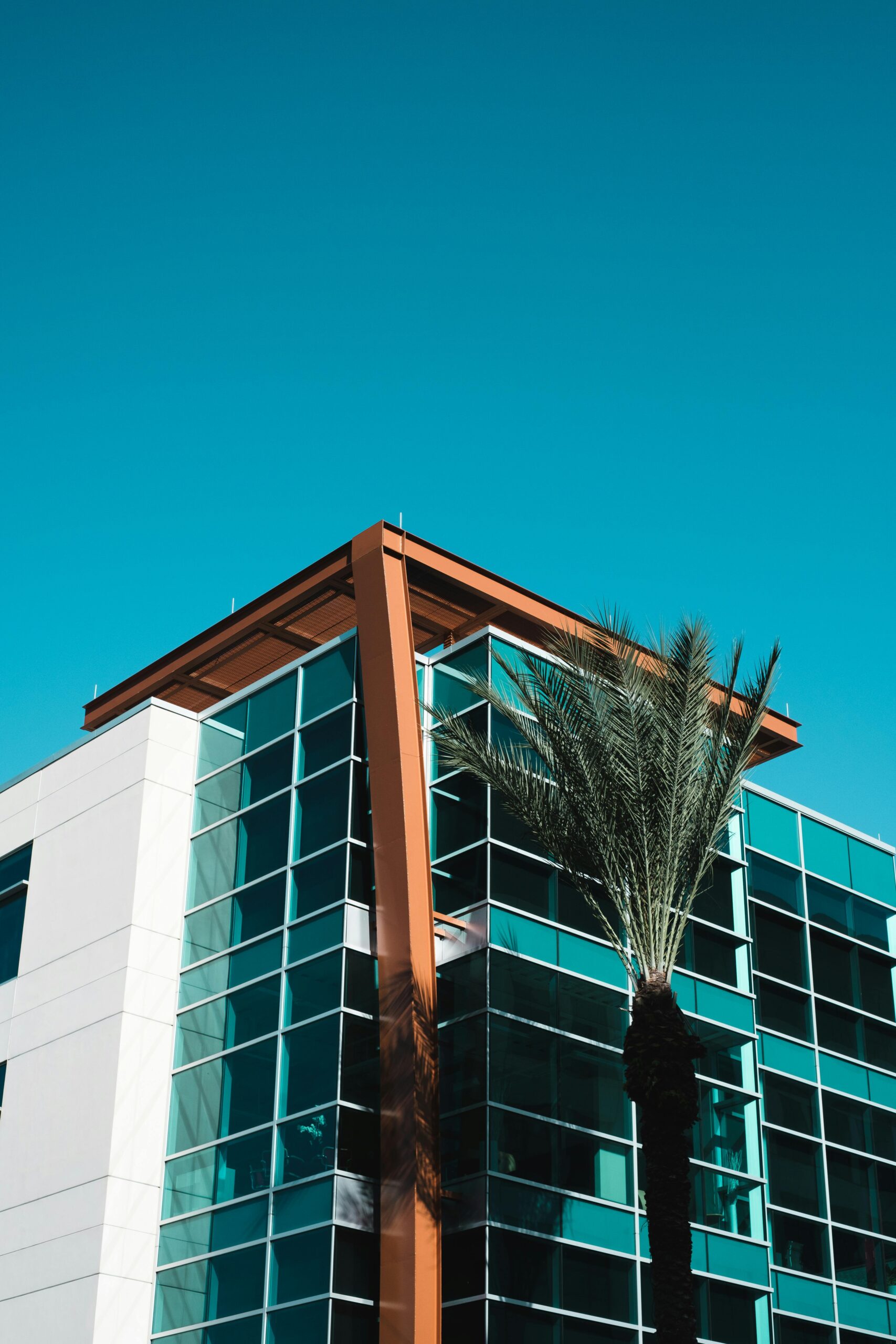
As South Florida enters 2026, its commercial real estate market continues to evolve in response to economic shifts, tenant preferences, demographic growth, and broader national trends. Whether you own, manage, or invest in property in Miami-Dade, Broward, or Palm Beach County, understanding these trends can help you make smarter decisions and protect long-term asset value. Here’s what to watch in 2026 across South Florida’s key CRE segments. (CBRE) 1. Overall Market Outlook: Growth & Stabilization Despite a cooling from the pandemic-era boom, South Florida’s commercial real estate market is poised for continued growth and stabilization in 2026. According to industry research, leasing and investment activity — while moderating — remains robust relative to many national metros, supported by population growth and business relocation demand. (CBRE) Key themes include: For property managers and investors, this environment means a balanced market — one with opportunity, but also with increased emphasis on asset quality and tenant experience. 2. Industrial Sector Remains Resilient South Florida’s industrial property segment continues to outperform, reinforcing its reputation as one of the most resilient sectors in CRE. Highlights for 2026: For investors focused on industrial or outdoor storage assets — a category with rising interest — these dynamics underscore why the sector continues to attract capital and long-term leases. 3. Office & Mixed-Use: Rebalancing Demand Office markets in South Florida are showing signs of stabilization after years of adjustment from remote work patterns. For commercial property managers and investors, repositioning underperforming office space and embracing mixed-use adaptations can offer pathways to stronger long-term performance. 4. Retail & Medtail: Tenant Experience Is King Retail property continues to adapt with evolving tenant mixes and consumer preferences. One emerging trend is **”medtail” — medical use in retail environments — which offers stable tenancy and community demand. (atlanticcg.com) Retail fundamentals are showing: For retail property owners, focusing on tenants that enhance foot traffic and community relevance will be critical in 2026. 5. Multifamily: Demand & Rent Growth While this article focuses on commercial sectors, it’s important to note that multifamily continues to be a strong performer regionally — and it often drives demand for commercial services and development projects. South Florida was one of the few major Florida metros showing positive rent growth heading into 2026, even as construction activity remains elevated. (MMG Real Estate Advisors) Multifamily strength supports: 6. Policy & Economic Forces: What Could Shift the Market Broader economic and policy developments also shape the CRE landscape. For example: Staying informed about legislative changes, tax policy, and broader economic drivers will be increasingly important for CRE stakeholders in 2026. 7. Strategy Tips for 2026 To navigate South Florida’s 2026 CRE landscape, consider these strategic priorities: 1. Prioritize quality over quantity — Class-A assets, modern infrastructure, and sustainable features attract tenants and investors.2. Embrace mixed-use and experiential models — Spaces that integrate multiple uses perform better in a changing marketplace.3. Leverage data and local expertise — Regional insight and on-the-ground knowledge remain competitive differentiators.4. Plan for long-term resilience — Climate risk, infrastructure investment, and policy shifts will increasingly factor into property performance. South Florida’s commercial real estate market in 2026 is not static — it’s strategic. Growth continues, but with nuance. Investors, owners, and managers who focus on quality assets, tenant experience, and macro-economic and policy awareness will be best positioned to capture value in a maturing yet dynamic market. Whether you’re optimizing a portfolio or exploring new opportunities, understanding these 2026 trends will help you stay ahead in South Florida’s competitive commercial real estate ecosystem.