
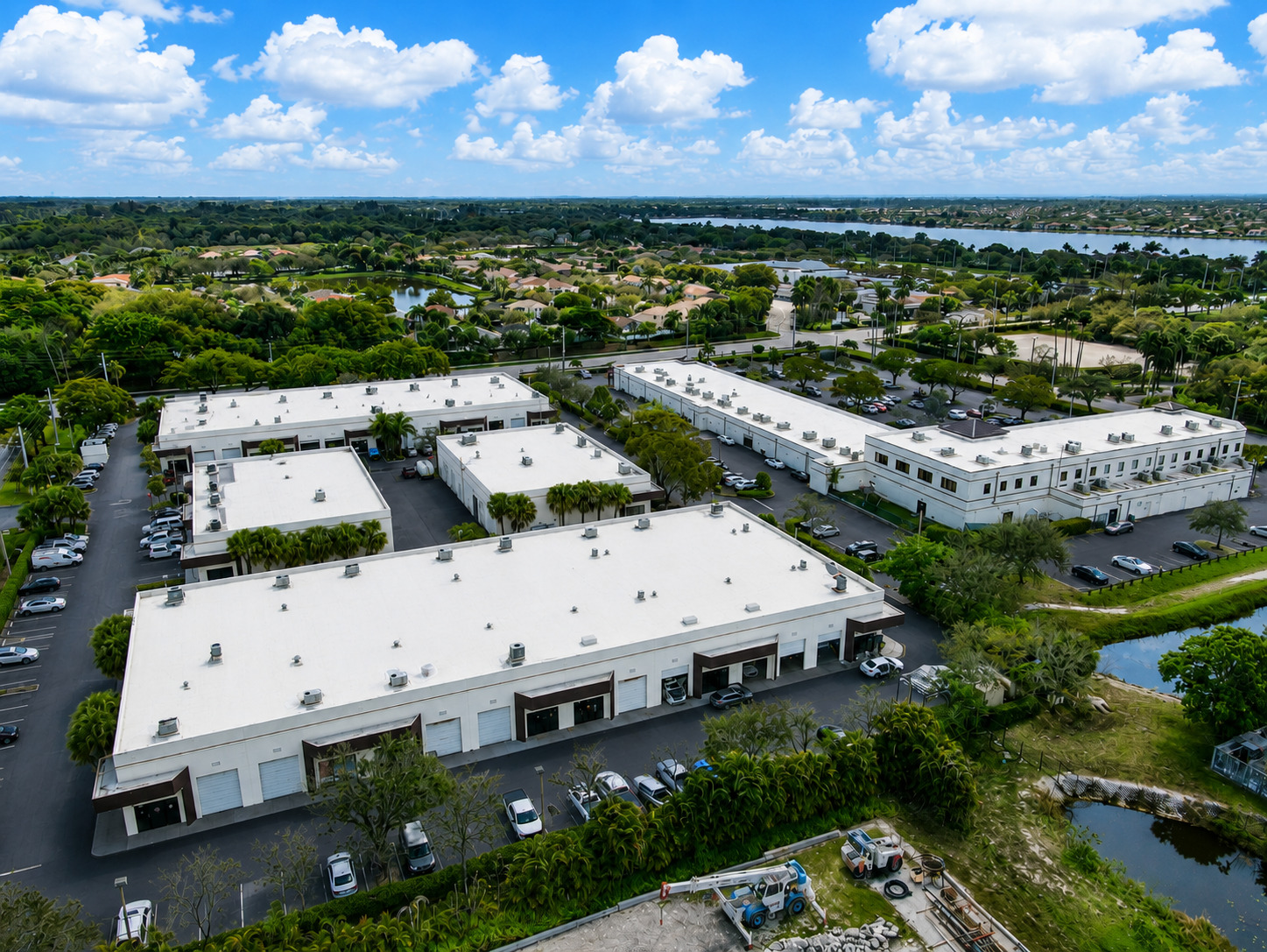
Choosing the right commercial property can directly affect your business operations, employee productivity, customer experience, storage capacity, and long-term growth.
For many companies, the decision comes down to three common property types: warehouse space, flex space, or traditional office space. Each option serves a different purpose, and the best choice depends on how your business uses its space every day.
What Is the Difference Between Warehouse, Flex, and Office Space?
The main difference is how each property is designed to function.
- Warehouse space is primarily used for storage, distribution, equipment, manufacturing, and deliveries.
- Flex space combines office or showroom areas with warehouse, storage, or operational space.
- Office space is designed for professional, administrative, and client-facing work.
In simple terms, warehouse space prioritizes operations, office space prioritizes professional work environments, and flex space provides a combination of both.
What Is Warehouse Space?
Warehouse space is commercial property designed primarily for storage, distribution, production, and industrial operations. It usually includes large open areas, high ceilings, loading access, and durable surfaces that can support inventory, equipment, and frequent deliveries.
What Types of Businesses Need Warehouse Space?
Warehouse space may be a good fit for:
- Distributors and wholesalers
- E-commerce companies
- Contractors and trade businesses
- Manufacturers
- Logistics and delivery companies
- Building supply businesses
- Equipment rental companies
- Automotive or marine service providers
- Food and beverage distributors
- Businesses with large inventory needs
Common Warehouse Features
Commercial warehouse space often includes:
- High ceilings
- Large open floor plans
- Loading docks
- Grade-level or roll-up doors
- Truck access
- Heavy electrical capacity
- Storage racks
- Outdoor storage or yard areas
- Limited office space
- Parking for commercial vehicles
Advantages of Warehouse Space
The main advantage of warehouse space is functionality. It allows businesses to store products, manage inventory, operate equipment, and receive shipments efficiently.
Warehouse space may also offer a lower cost per square foot than traditional office space, particularly when most of the property is unfinished operational space.
Disadvantages of Warehouse Space
A traditional warehouse may not provide the professional appearance or comfortable environment needed for client meetings, administrative staff, or customer-facing services.
Businesses may also need to invest in office build-out, air conditioning, lighting, security systems, or additional restrooms.
What Is Flex Space?
Flex space is a commercial property that combines office, showroom, warehouse, storage, or light industrial functions within one unit.
A typical flex space may include a professional entrance, reception area, private offices, and a warehouse or service area in the rear.
What Types of Businesses Need Flex Space?
Flex space is often a good choice for:
- Contractors
- Home service companies
- E-commerce businesses
- Light manufacturers
- Medical equipment suppliers
- Showrooms
- Technology companies
- Repair and service businesses
- Fitness or training companies
- Product suppliers
- Businesses with office and field teams
Common Flex Space Features
Flex commercial properties may include:
- Front office or reception areas
- Private offices
- Warehouse or production space
- Storefront-style entrances
- Roll-up doors
- Customer parking
- Inventory storage
- Flexible floor plans
- Signage opportunities
- Separate employee and delivery entrances
Advantages of Flex Space
The biggest advantage of flex space is versatility. It allows a business to operate multiple functions from one property.
For example, a company can manage sales, customer service, inventory, fulfillment, and equipment storage under one roof. This can improve communication between departments and reduce the cost of leasing multiple locations.
Disadvantages of Flex Space
Flex space may not provide as much warehouse capacity as a traditional industrial building or as many amenities as a professional office building.
The balance of office and warehouse space must also match the business’s actual needs. Too much office build-out can reduce operational space, while too little may make the property uncomfortable for employees or customers.
What Is Traditional Office Space?
Traditional office space is commercial property designed primarily for administrative, professional, and client-facing work.
It often includes private offices, conference rooms, reception areas, workstations, breakrooms, and shared building amenities.
What Types of Businesses Need Office Space?
Office space may be best for:
- Law firms
- Accounting firms
- Financial service companies
- Insurance agencies
- Marketing agencies
- Real estate companies
- Consulting firms
- Technology companies
- Nonprofit organizations
- Corporate or regional offices
- Medical and professional service providers
Common Office Space Features
Traditional office properties may include:
- Private offices
- Conference rooms
- Reception and waiting areas
- Breakrooms
- Shared restrooms
- High-speed internet infrastructure
- Elevators
- Professional lobbies
- Covered parking
- Building security
- On-site management
Advantages of Office Space
Office space provides a comfortable and professional environment for employees, clients, and visitors.
It is usually the best option for businesses that depend on meetings, collaboration, private work areas, and a polished professional image.
Disadvantages of Office Space
Traditional office properties generally provide limited storage, loading access, and space for equipment or inventory.
They may also have restrictions on commercial vehicles, deliveries, manufacturing, repair work, and other operational uses.
Warehouse vs. Flex Space vs. Office Space
| Property Type | Best For | Main Features | Potential Limitation |
|---|---|---|---|
| Warehouse | Storage, distribution, manufacturing, equipment | High ceilings, loading doors, open space | Limited professional office space |
| Flex Space | Businesses needing office and operational areas | Office, warehouse, showroom, roll-up doors | May offer less of each space type |
| Office Space | Professional and administrative businesses | Offices, conference rooms, reception areas | Limited storage and loading access |
How Do You Choose the Right Commercial Space?
To choose the right commercial space, evaluate how your business operates today, what equipment or inventory you need, how customers interact with your company, and how much room you may need in the future.
The following questions can help narrow your options.
1. How Much Storage Space Does Your Business Need?
Businesses that store inventory, tools, vehicles, raw materials, or equipment will usually need warehouse or flex space.
Consider both your current needs and expected growth. A property that is already close to capacity may quickly become inefficient.
You should also evaluate:
- Ceiling height
- Floor load capacity
- Racking options
- Aisle width
- Inventory flow
- Climate-control requirements
- Security needs
2. Will Customers Visit the Property?
Businesses that regularly meet with clients, customers, or vendors should consider the property’s appearance and accessibility.
Office and flex spaces typically provide a more professional entrance, reception area, and meeting environment than traditional warehouse space.
Ask whether the property offers:
- Convenient parking
- Clear signage
- Accessible entrances
- Comfortable waiting areas
- Conference or meeting rooms
- A professional exterior appearance
3. Does Your Business Need Loading Access?
Companies that receive or ship products should carefully evaluate loading areas.
Important features may include:
- Loading docks
- Grade-level doors
- Roll-up doors
- Truck courts
- Turning space
- Delivery access
- Trailer parking
- Clear ceiling height
- Proximity to major highways
A property can have enough square footage but still be unsuitable if delivery vehicles cannot safely enter, unload, and exit.
4. How Much Office Space Does Your Team Need?
A warehouse with a small office may be enough for a business with one or two administrative employees. A larger team may need private offices, workstations, conference rooms, restrooms, and break areas.
Flex space is often a strong option when a business needs both office and operational space.
Before leasing, calculate how much space is needed for:
- Employees
- Management
- Meetings
- Customer service
- Training
- Breakrooms
- File storage
- Future hiring
5. What Are Your Electrical and Utility Requirements?
Some businesses require more power, water, ventilation, or specialized utility connections than a typical property provides.
Manufacturing, repair, refrigeration, technology, medical, and equipment-intensive businesses should verify:
- Electrical capacity
- Three-phase power
- Internet availability
- Plumbing
- Gas service
- Ventilation
- Drainage
- Fire suppression
- Backup power options
These requirements should be confirmed before signing a lease because upgrades can be costly and may require permits or landlord approval.
6. Is the Property Properly Zoned?
Zoning determines which business activities are permitted at a property.
A building may appear perfect but still prohibit certain uses, including:
- Manufacturing
- Automotive repair
- Outdoor storage
- Food production
- Medical services
- Retail sales
- Commercial vehicle parking
- Fitness or recreational uses
Always confirm that your intended use is permitted before signing a commercial lease.
7. How Important Is the Location?
Location can influence customer access, employee commutes, delivery times, hiring, and operating costs.
Businesses involved in distribution or service work may prioritize access to highways and major transportation routes. Professional firms may prefer locations near customers, restaurants, banks, and business centers.
For South Florida businesses, proximity to major roadways can make it easier to serve customers throughout Broward, Miami-Dade, and Palm Beach counties.
Consider access to:
- Interstate 95
- Interstate 595
- Florida’s Turnpike
- Sawgrass Expressway
- Port Everglades
- Fort Lauderdale-Hollywood International Airport
- Local business districts
- Nearby workforce populations
8. How Much Parking Does Your Business Need?
Parking requirements vary significantly by business type.
An office with many employees may require more standard parking spaces, while a contractor or service company may need parking for trucks, vans, trailers, or fleet vehicles.
Confirm:
- Number of available spaces
- Assigned or shared parking
- Commercial vehicle restrictions
- Overnight parking rules
- Trailer parking availability
- Customer parking
- Accessible parking
- Loading-zone restrictions
9. What Is the Total Cost of Occupancy?
Rent is only one part of the cost of leasing commercial space.
Businesses should also evaluate:
- Common area maintenance charges
- Property taxes
- Insurance
- Utilities
- Security
- Repairs
- Maintenance responsibilities
- Parking fees
- Build-out costs
- Permitting expenses
- Moving costs
- Signage costs
A property with lower base rent may cost more overall if operating expenses and improvements are high.
10. Can the Space Support Future Growth?
Moving a business can be expensive and disruptive. When possible, choose a property that can accommodate future employees, inventory, equipment, or services.
Ask whether:
- Adjacent units may become available
- The unit can be expanded
- Additional parking can be added
- The layout can be reconfigured
- More office space can be built
- The lease includes renewal options
When Should You Choose Warehouse Space?
Warehouse space may be the right choice when:
- Storage and operations are your primary needs
- You receive frequent deliveries
- You use large equipment
- You need loading docks or roll-up doors
- You require high ceilings
- Customer-facing space is not a priority
- You operate a distribution or manufacturing business
When Should You Choose Flex Space?
Flex space may be the right choice when:
- You need office and warehouse space together
- Customers or vendors visit your location
- You want one location for multiple departments
- You need storage, fulfillment, and administrative space
- Your space requirements may change
- You want a professional entrance with operational access
When Should You Choose Office Space?
Traditional office space may be the right choice when:
- Most work is administrative or professional
- You frequently meet with clients
- You need private offices and conference rooms
- Storage needs are limited
- Employees do not use heavy equipment
- Professional appearance is a priority
- Your business does not require loading access
Why Is Flex Space Popular With Growing Businesses?
Flex space is popular because it supports multiple business functions in one location.
A contractor may use the front office for scheduling and estimates while storing materials and vehicles in the rear. An e-commerce company may use office space for customer service and warehouse space for inventory and fulfillment. A supplier may use a showroom in the front and product storage in the back.
This flexibility makes the property useful for businesses that do not fit entirely into a traditional office or warehouse environment.
Do Not Choose Commercial Space Based on Square Footage Alone
Two commercial properties with the same square footage may function very differently.
The usefulness of a space depends on:
- Floor plan
- Ceiling height
- Column spacing
- Loading access
- Office-to-warehouse ratio
- Parking
- Door placement
- Utility capacity
- Usable square footage
- Traffic flow
Before signing a lease, think about how employees, customers, deliveries, inventory, and equipment will move through the property each day.
Frequently Asked Questions
What is the best commercial space for a small business?
The best space depends on the business model. Professional service companies may need office space, inventory-based businesses may need warehouse space, and companies that combine office and operational functions may benefit from flex space.
Is flex space cheaper than office space?
Flex space may have a lower cost per square foot than traditional office space, but pricing depends on location, condition, build-out, amenities, and lease terms. Businesses should compare total occupancy costs rather than base rent alone.
Can warehouse space include offices?
Yes. Many warehouses include small office areas, and some can be renovated to add additional offices, conference rooms, or reception areas. Any improvements typically require landlord approval and may require permits.
Can customers visit a flex space?
Yes. Many flex spaces include storefront-style entrances, reception areas, showrooms, and customer parking. However, businesses should confirm that customer-facing use is permitted by zoning and the lease.
What is the difference between industrial space and flex space?
Industrial space is a broad category that includes warehouses, manufacturing facilities, distribution centers, and flex buildings. Flex space is a type of industrial property that combines operational space with office, showroom, or customer-facing areas.
What should I look for when leasing warehouse space?
Look for adequate ceiling height, loading access, parking, truck circulation, electrical capacity, zoning, security, storage layout, and proximity to transportation routes.
How much commercial space does my business need?
The amount depends on your employee count, inventory, equipment, customer traffic, parking needs, and growth plans. It is helpful to create a detailed space plan before touring properties.
Finding the Right Commercial Space in South Florida
The right commercial property should support your business rather than create unnecessary operational challenges.
Before signing a lease, clearly define your storage needs, office requirements, parking, delivery access, utility demands, budget, preferred location, and growth plans.
At Glades Properties, we understand that every business has different space requirements. Whether you need warehouse space, versatile flex space, or a professional office environment, choosing the right property can help improve efficiency and position your business for continued growth.